
Veterinary
cardiology
Early detection and an accurate diagnosis are extremely important in the management of heart disease – they help slow disease progression of the disease and support a longer, better quality life for your pet.
At EriVet, we diagnose and treat both congenital heart defects and acquired cardiovascular diseases in dogs and cats, offering advanced diagnostics and treatment.
What symptoms may indicate heart disease?
Heart problems can often be hidden behind seemingly normal signs of aging. We recommend scheduling a cardiology consultation if you notice any of the following in your pet:
- panting or difficulty breathing (including at rest);
- chronic coughing;
- fatigue, lethargy, and reduced exercise tolerance;
- sudden episodes of weakness or fainting;
- rapid or irregular heartbeat.
In some cases, pets may show no visible symptoms and a heart murmur may be discovered incidentally during a routine examination, such as a vaccination visit. In these situations, a consultation with a veterinary cardiologist is generally recommended for further evaluation.
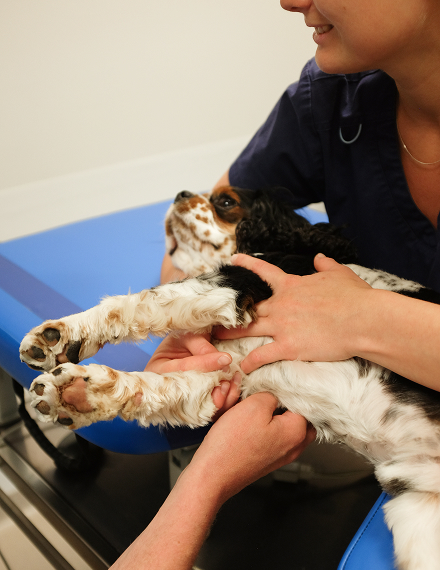
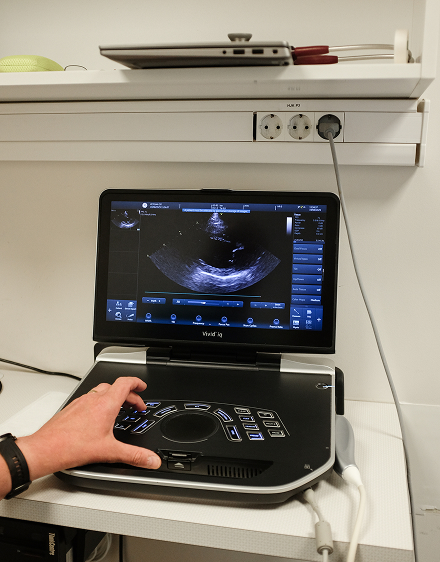
Cardiology consultation and diagnostic testing
The appointment begins with an assessment of the animal’s overall health status and medical history, followed by a thorough examination of the heart and lungs auscultation.
To determine the cause of symptoms and evaluate heart function, we use the following diagnostic methods at our clinic:
- Echocardiography (cardiac ultrasound) – allows assessment of heart structure and real-time function;
- Electrocardiography (ECG) – records the electrical activity of the heart to detect arrhythmias;
- Holter ECG – a 24-hour ECG recording that helps detect intermittent arrhythmias that may not appear during a standard examination;
- Chest X-rays – provide a visual assessment of lung condition and heart size
- Blood pressure measurement – an important test for diagnosing and monitoring hypertension (high blood pressure).

Official cardiac screening
In addition to diagnosing and treating heart diseases, we also perform official cardiac screening examinations for dogs and cats. These examinations are necessary for breed-specific screening programs, breeding planning, or insurance purposes.
Treatment and monitoring
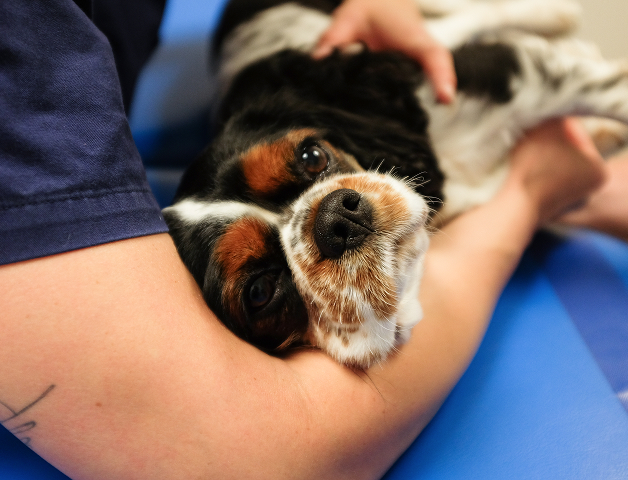
Based on the examination results, we create an individualized treatment plan for each patient, which may include specific medications, dietary adjustments, and lifestyle changes. In cases of chronic heart diseases, regular monitoring is important – it allows us to assess treatment effectiveness and adjust the treatment plan according to changes in your pet’s condition.
Our cardiologist